L.L.Bean · Boat and Tote, cotton canvas · 1944
Choosing a Boat and Tote: why fitting everything in is not the same as carrying it well
No hands-on testing: written from published sources and edited photography. Product details checked 25 November 2026.
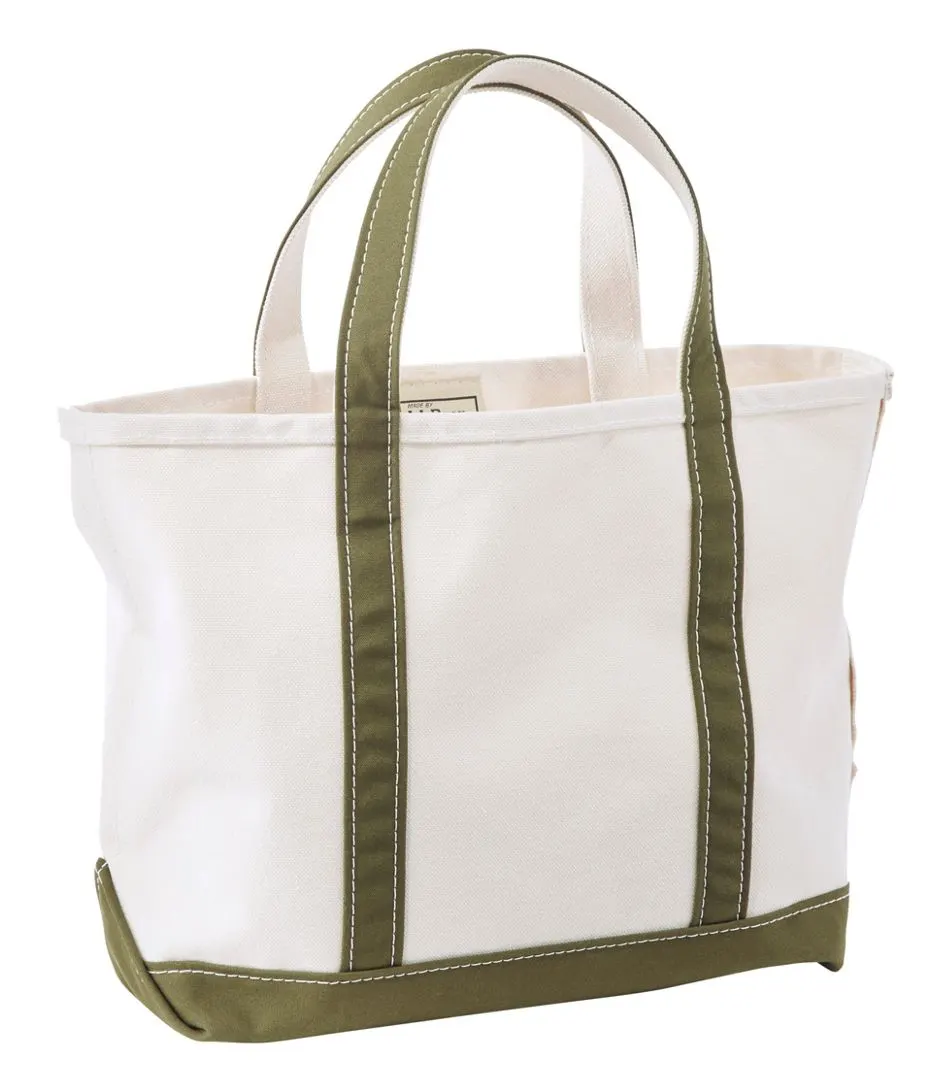
The Boat and Tote suits anyone who likes heavy cotton canvas and wants to drop everyday things straight in. For commuting, start with the Medium and your actual laptop sleeve; for towels, groceries or short trips, look at the Large. If it will spend time on your shoulder, try the Long handle first. Capacity, handles and the opening are separate choices, and filling the bag does not mean your shoulder wants to carry it.
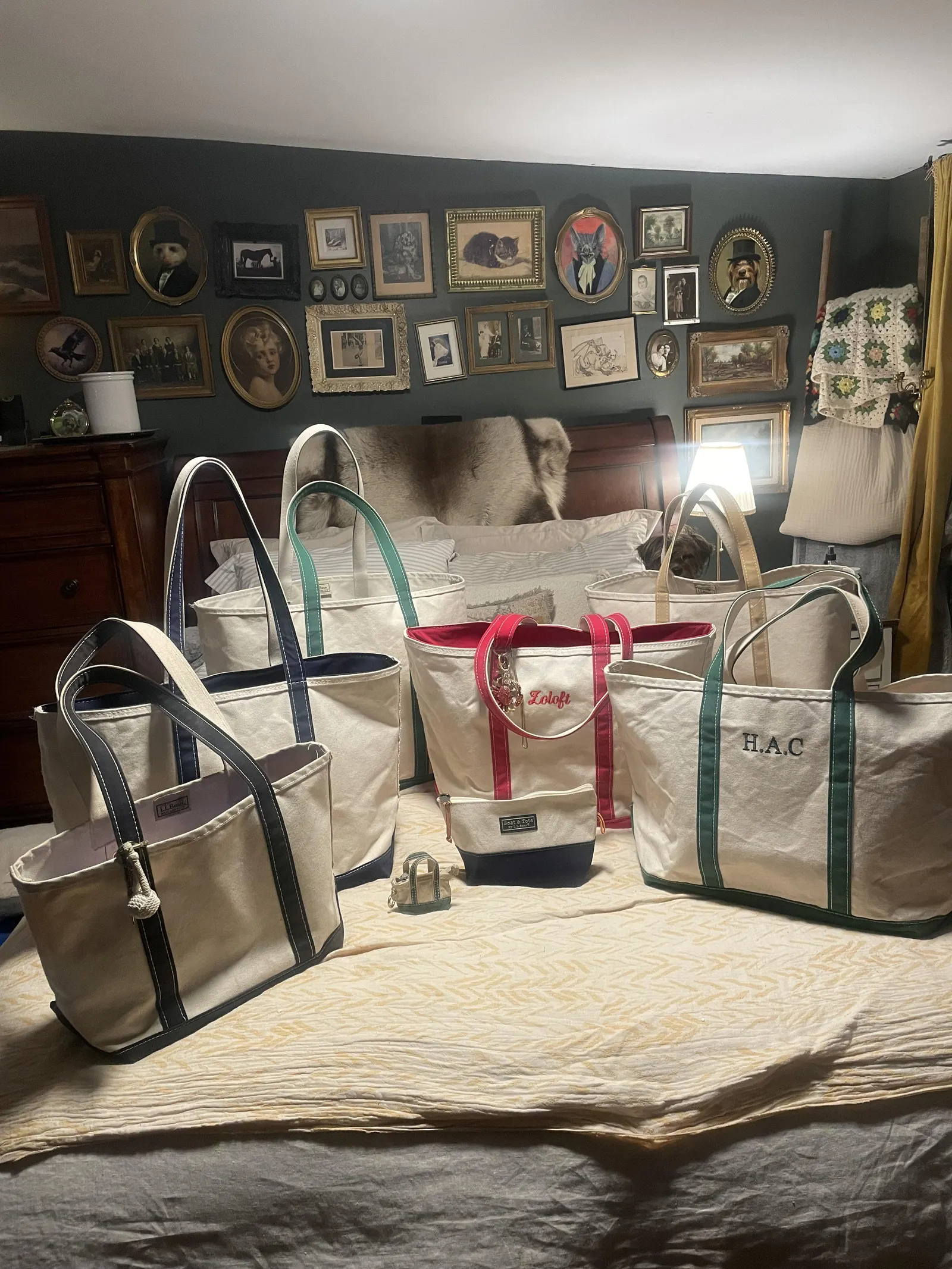
This guide is about the standard cotton canvas Boat and Tote, with the current Open-Top for specs and the Zip-Top beside it. Other fabric lines such as the Hunter's Tote are separate. An old bag that has softened with use does not look like a new one out of the box.
- Commuting start
- Medium, about 17 L
Try the laptop in its sleeve, not by screen size alone
- Shoulder option
- Long handle, listed at 14 inches
The Regular handle changes with bag size; it is not one short length
- Care
- Spot clean, per the brand
One owner's machine wash is not a general instruction
Why does it feel so stiff, and what life does heavy canvas suit?
This is a tote that stands up because of thick canvas and stitching. The brand lists 24 oz cotton canvas, a double-layer bottom and overlapping double stitching. It suits odd loads, shopping and being set down anywhere. If you like a bag that slouches against the body and folds away, the stiffness may take getting used to. The 24 oz describes the cloth, not the weight of the finished bag.
In 1944 it began as the Bean's Ice Carrier, made to haul ice. The clues are still direct: a reinforced base, contrast handles that run up the body, and V-shaped stitching at the sides. It was built around carrying first and joined people's wardrobes later.
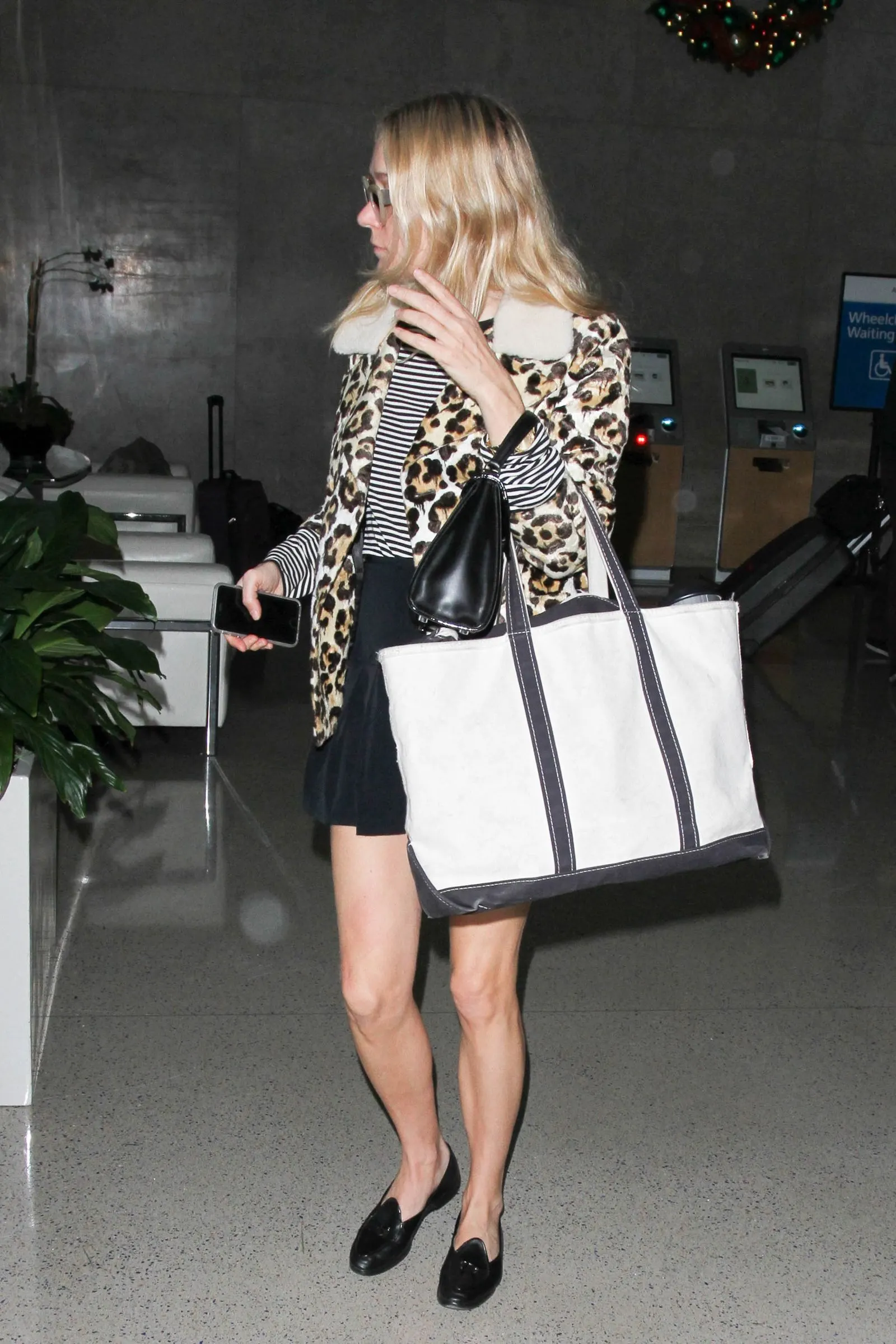
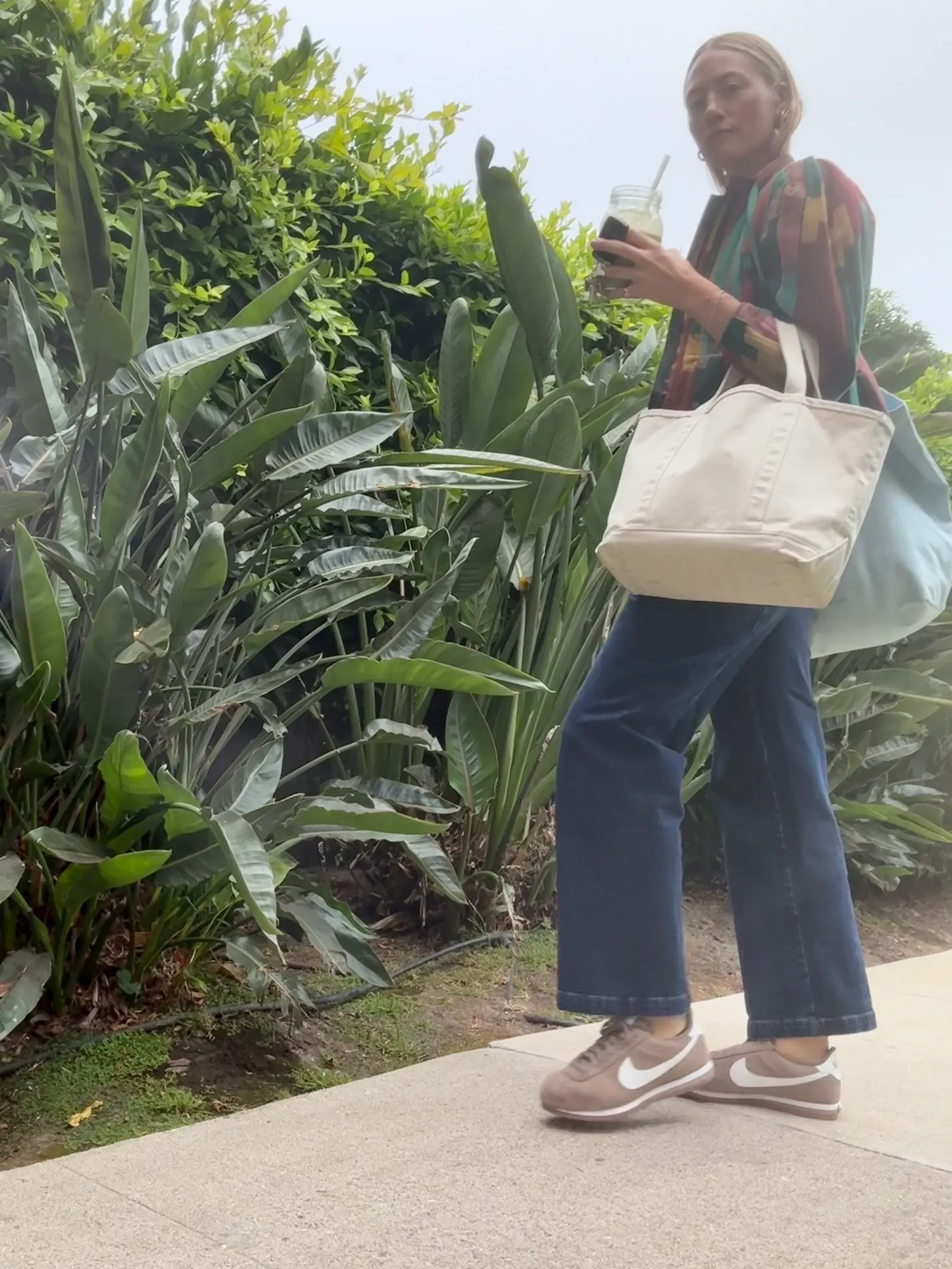
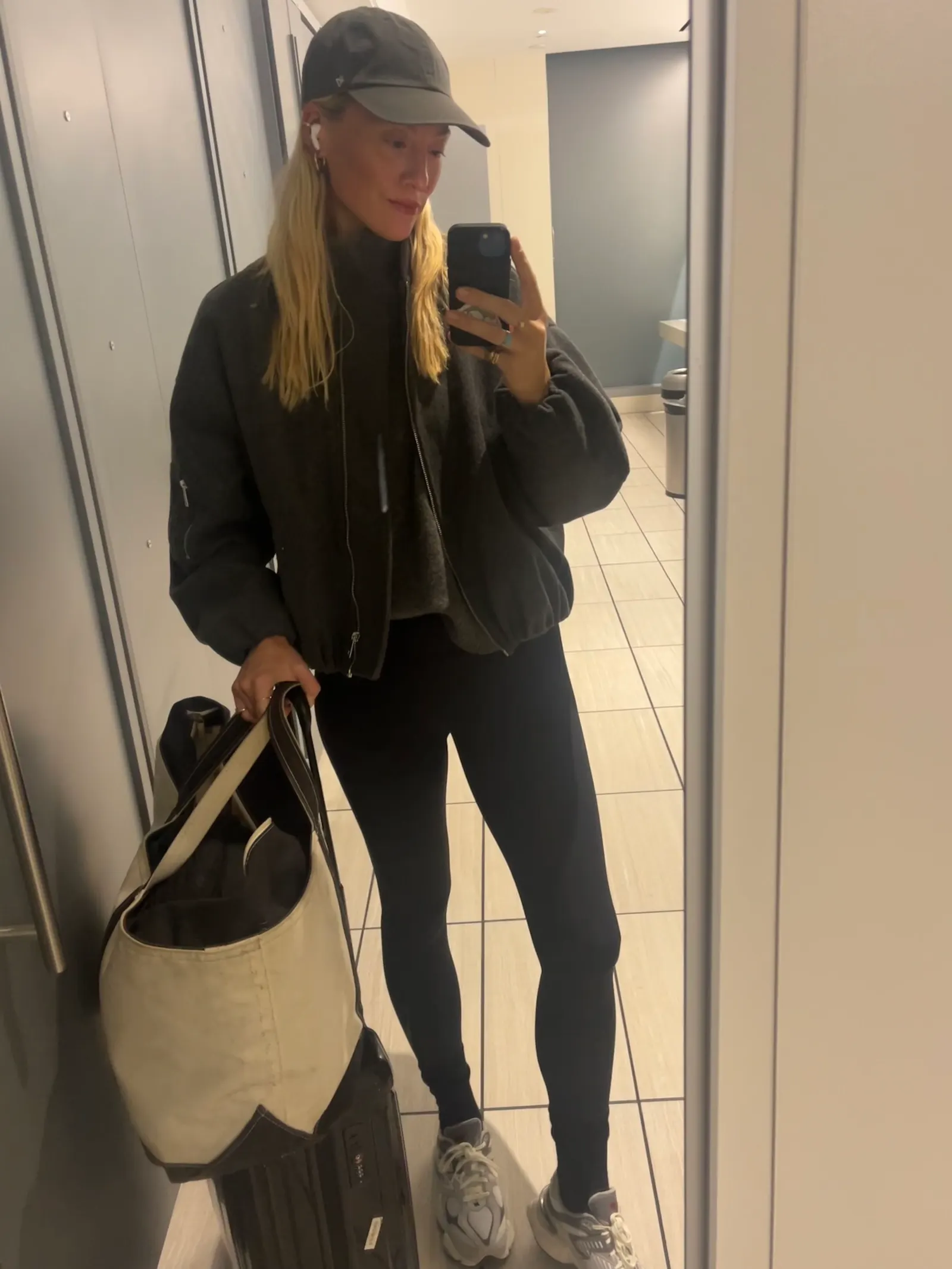
Heavy canvas looks good against ordinary clothes. Chloë took a large canvas tote to the airport; Brooke wears hers with jeans, flats or a sharper coat. The lines are simple, so the clothes do not need to be sporty or outdoorsy. Contrast handles and a monogram are enough to separate it from a plain white bag.
Not everyone wants the stiffness. In a 2026 Strategist discussion among editors, one used a large Boat and Tote as a laundry basket and another liked that it stood up. Sam Daly, who received some bags as brand gifts, said she washes and machine dries the zip version and likes it once it softens. Decide whether you want the structure of a new bag or the softness of an old one; they do not arrive together.
Medium or Large, and how much do you need for a laptop commute?
For a laptop and a day's items, start with the Medium at about 17 L. If you often add a towel, clothes or a big shop, the Large at about 35 L has more room. Always measure the laptop in its sleeve. The bag's listed width is not the clear width of the inside or the opening, and the Zip-Top needs its own test at the zip.
Current Open-Top specs; centimetres converted from inches, capacities approximate
| Size | Height x width x depth | Capacity | Regular / Long handle |
|---|---|---|---|
| Medium | About 30.5 x 33 x 15.2 cm (12 x 13 x 6 in) | 17 L | 6 / 14 in |
| Large | About 38.1 x 43.2 x 19.1 cm (15 x 17 x 7.5 in) | 35 L | 8 / 14 in |
External dimensions. They are not a guarantee for a laptop sleeve, the interior, or an airline sizer.
In 2026 an architect choosing a bag for a 14 x 9.5-inch laptop weighed the Medium's listed 13-inch width against the Large's 17 inches. The opening spreads at the sides, but that does not mean the laptop sleeve slides in, zips shut and still leaves room for a hand. If the machine is close to the bag's listed width, fitting it in person saves a second guess.
The bag gives a laptop no impact protection of its own. Use a sleeve for a computer, a camera or glass bottles, and keep a wet umbrella or bottle away from electronics. The flat base helps you organise; in a crowded carriage, the devices still need their own cover.
The reader at the top used a Medium with long handles as her daily bag for about four years, and kept the Large with short handles for the pool and shopping. That division makes more sense than always buying the biggest option: how many days a week will you use the extra volume, and how far will you carry it once it is full?
Are long handles always better, and can shorter wearers choose Regular?
For shoulder carry, try the Long first. For hand or forearm carry, or if you do not want the bag sitting low, look at the Regular. The Long is listed at 14 inches on every size; the Regular changes with the bag, at 6 inches on the Medium and 8 on the Large. A shorter wearer can still prefer the Long, but check coat thickness, shoulder room and where the base lands.
Two everyday ways to carry it
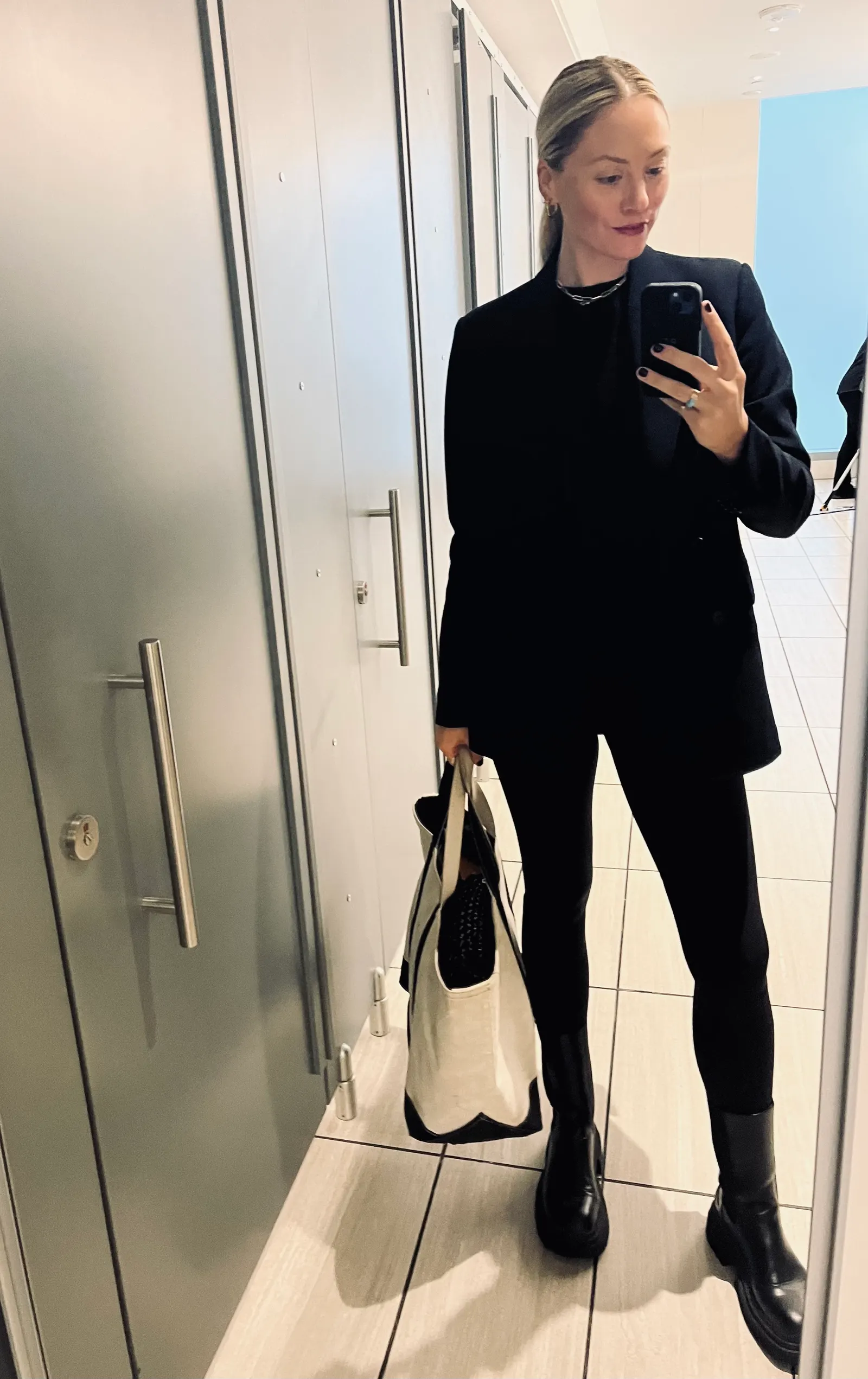
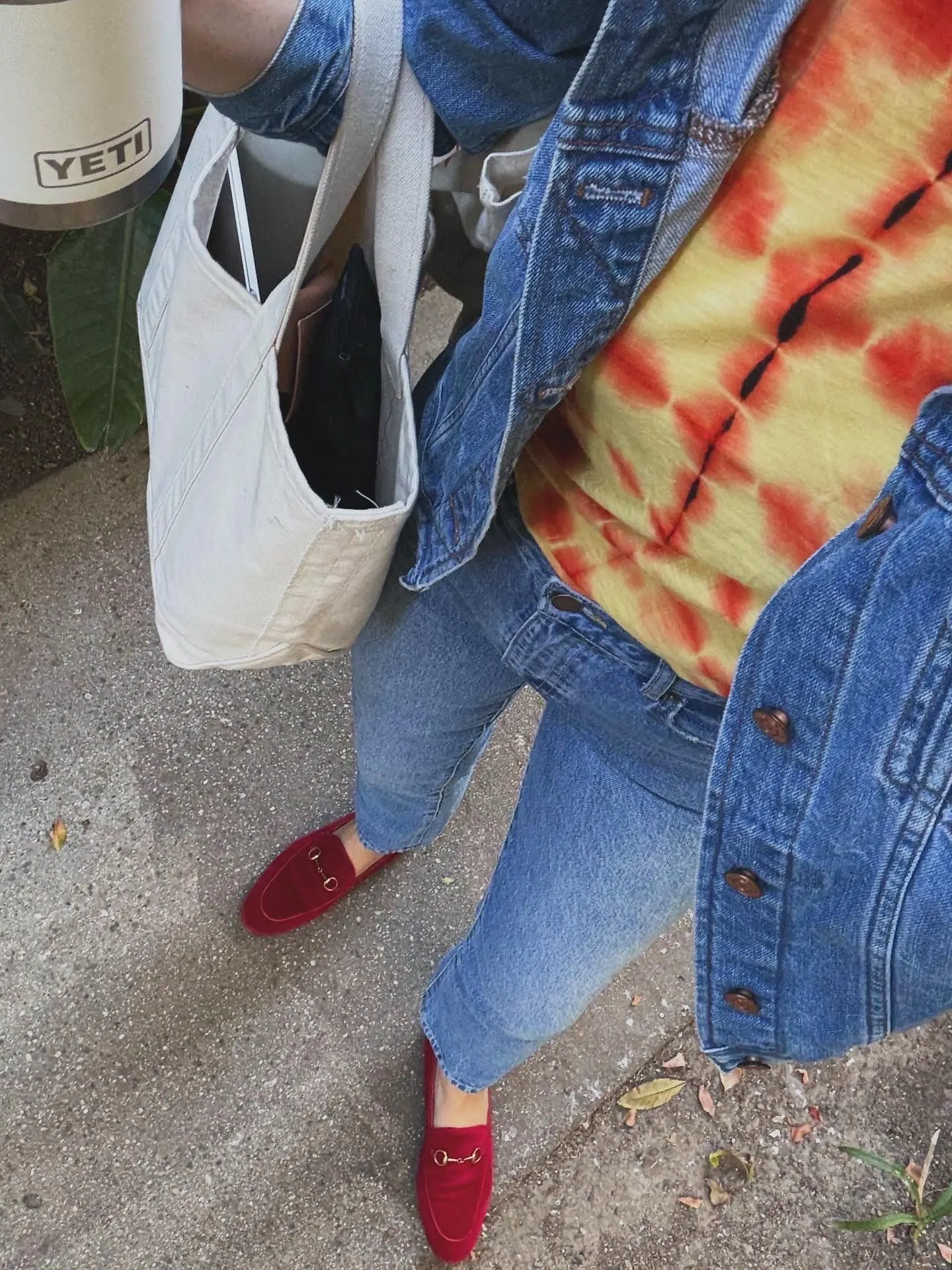
Different occasions and bags, showing how each is carried. Exact handle lengths and sizes follow the product you choose.
In a 2026 thread about a gift for a friend around 155 cm, most replies preferred the Medium with long handles for shoulder commuting. Another wearer of about 155 cm said the Medium's long handles made the base hit her hip, and preferred the Large with short handles. The same height can produce different answers because the bag meets the body elsewhere.
A UK reader worried that the Large with short handles would be hard to carry, then tried one in a vintage shop. She could put the short handles of a Large and an Extra-Large on her shoulder, while the long-handled versions dragged on the floor when carried by hand. That is a useful warning for online buying: short handles are not strictly for hands, and long handles are not easier for everyone.
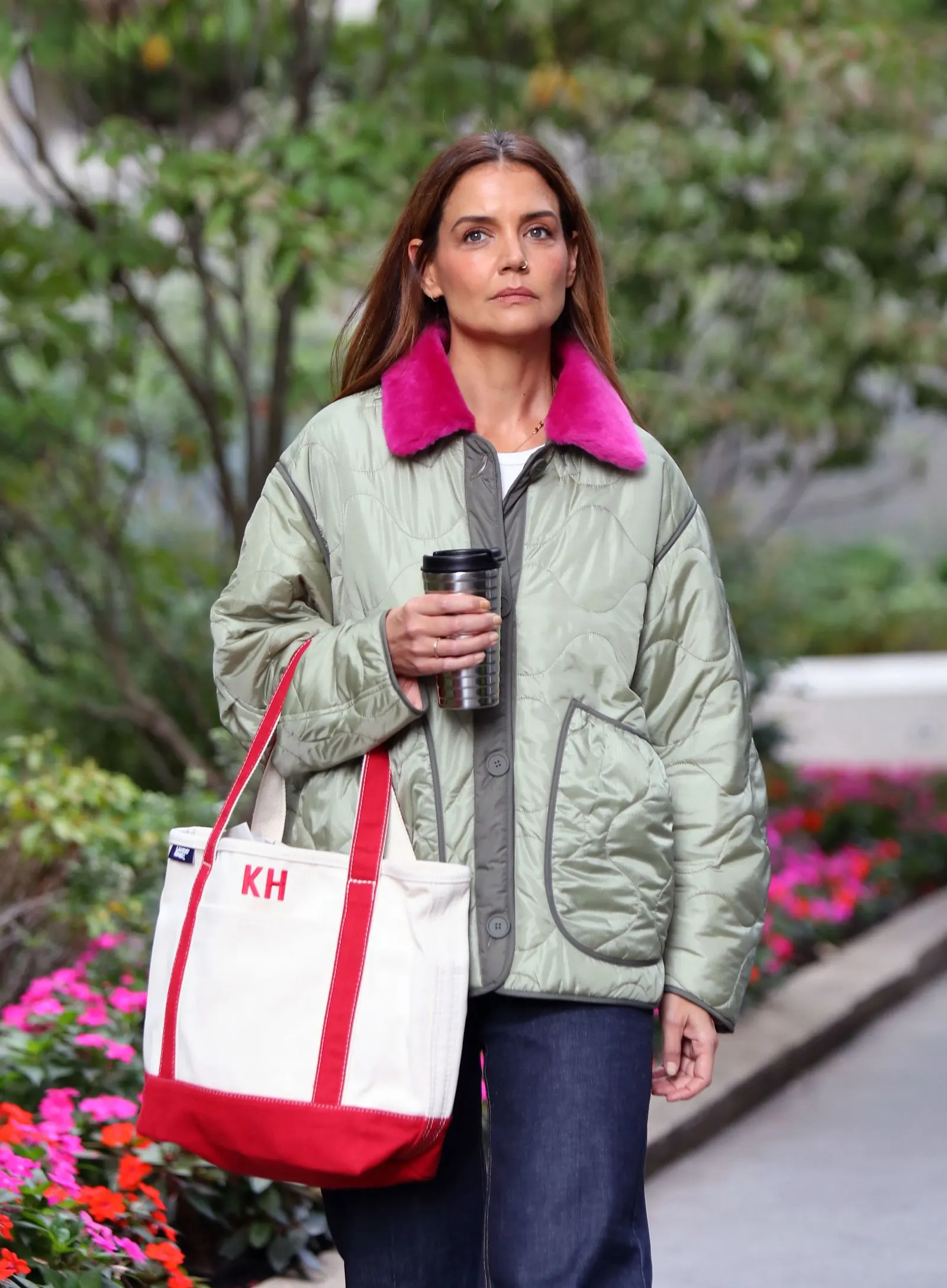
If you wear a thick winter coat, try the bag over something similar. A bag that goes on the shoulder empty can pinch your arm once it is full. The brand's 500 lb handle test is strength information, not a daily load recommendation, and it does not mean your shoulder, wrist and stitching should meet that limit.
Open or zip, and can it be an under-seat bag on a plane?
For dropping in food, a jacket and small pouches, the Open-Top is more direct. For train changes, a bag that tips over, or an opening you want closed, the Zip-Top is easier. Neither becomes waterproof, theft-proof or automatically a personal item on a flight. The airline also cares about the size you chose, the bag's loaded shape and its own limit.
The standard Open-Top and Zip-Top
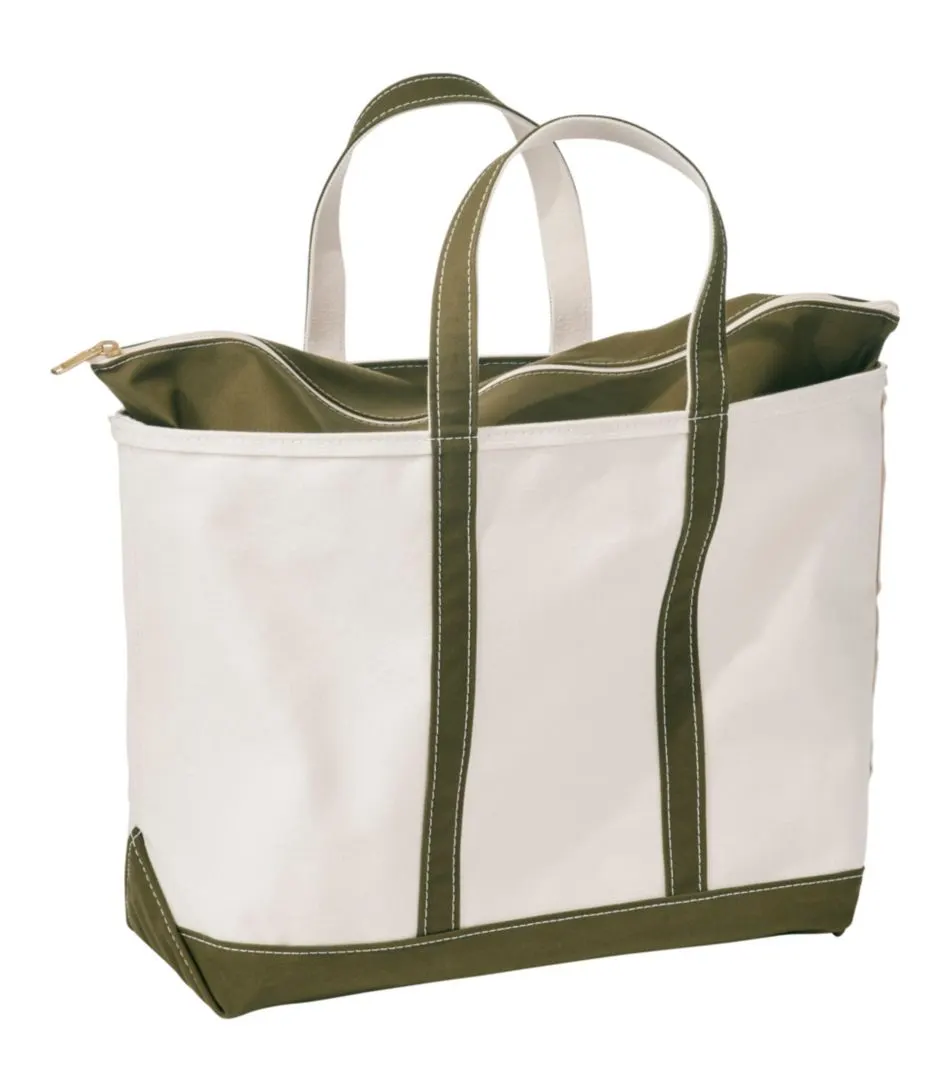
Compare the opening, not the apparent size of the bags on the web page.
Roxanne Adamiyatt of Town & Country wrote in 2026 that she owns two Large bags: a long-handled open one and a short-handled zip. She likes the open bag for markets and flights where she needs to reach in, and the zip for car and train trips where things might spill. They serve different habits of use; the look is secondary.
Another reader bought a 1990s Large Zip-Top for a flight in the same year and packed everything in smaller pouches inside. He liked not assigning items to a set of compartments. That is one person's packing, not a measurement of the space under your next seat. Check the external dimensions against the airline's rule, then see whether a full bag bulges and whether the zip still closes.
If the bag often goes under the seat in front of you, think about how you reach a phone, passport and headphones. Keeping valuables in one closable pouch is faster than digging into a deep canvas bag and stops loose items rolling around the opening. Whether you need an inner pocket depends on what you carry.
Can the whole bag go in a machine, and what do you do with old marks?
The current Open-Top and Zip-Top both say spot clean, so start locally. Some owners wash and dry a whole bag and still like the result, but that does not guarantee your size, trim colour or monogram comes out intact. If you want to keep the stiffness and the current shape, treat the spot rather than washing hot.
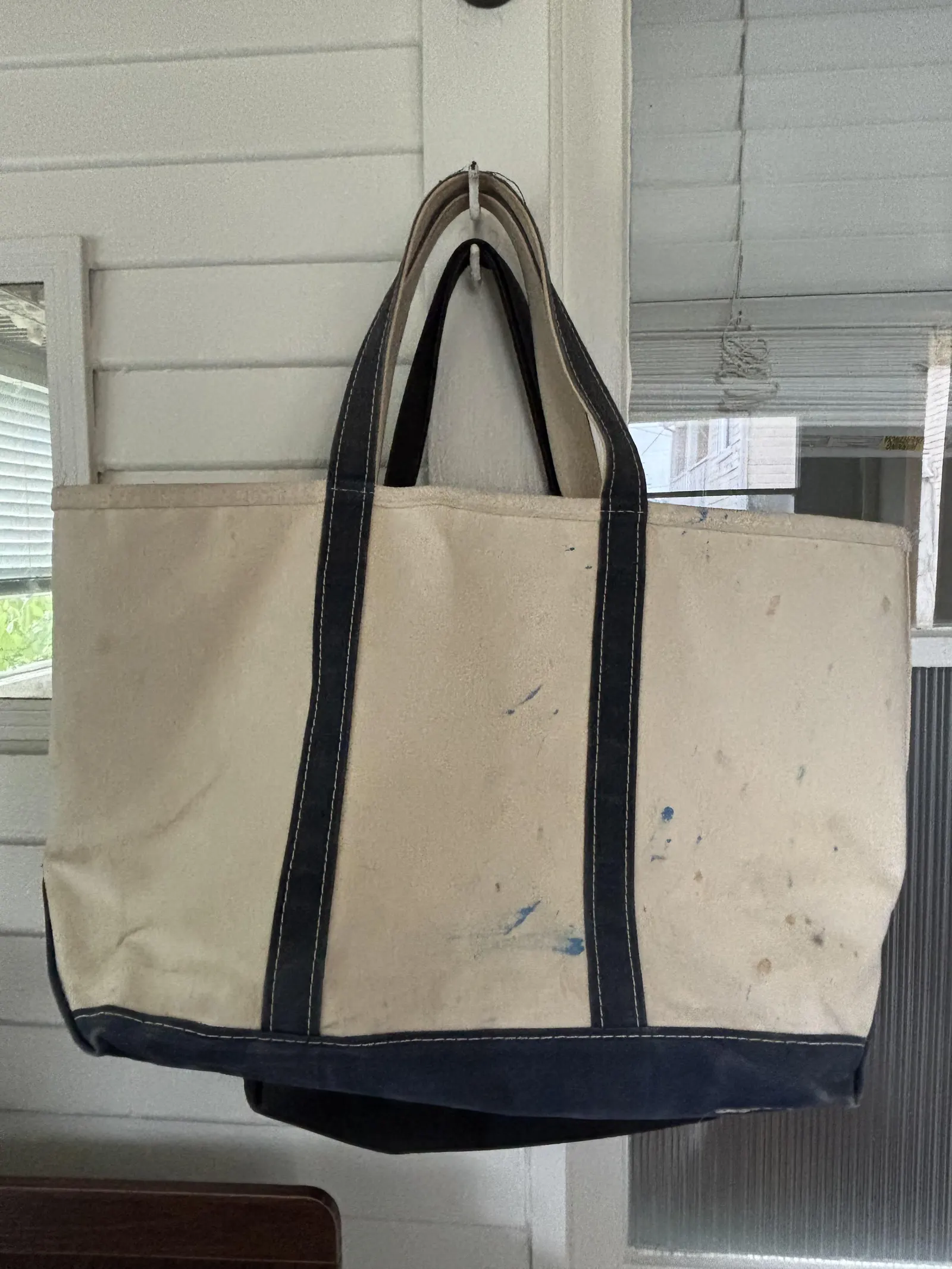
That reader accepted the marks and wanted a bag he did not have to watch constantly while travelling. Another 2026 poster said he received an open-top in 2006 and still uses it after college, beaches and shopping; the main changes are stains and fading. Those are individual old bags. Lasting for years and looking new are different expectations.
Before cleaning, empty the bag and clear loose dust and sand from the base, then work on the marks. Test coloured trim, monograms and older canvas somewhere hidden. Do not copy an unknown bleach or heavy-duty recipe to make natural canvas uniformly white. If a visible patch changes whether you want to carry the bag, a cleaner who knows canvas can assess it.
While you are looking at the bag, check the handle roots, the base edge and the stitching. A loose thread, a tear and a mark need different responses. A bag that still works can keep working; if it is failing under load, carry less and look at repair. The brand's history and someone else's twenty years do not describe the bag in your cupboard.
What does it cost now, and how do you pin down the version before ordering?
On 25 November 2026 the L.L.Bean US site showed the Medium Open-Top in Antique Olive at US$39.95. That price does not include tax or shipping, does not cover a monogram, and is not the price of every size, of the Zip-Top, or of other countries.
Start from the official Open-Top page or the Zip-Top page, then choose the opening, the size, Regular or Long, and the colour. For a monogram, check the lettering and the return rules. Do not let an old celebrity photo decide the size you buy today.
The bag suits anyone who will use a few pouches for small things and accept canvas taking on marks. If you need many fixed compartments, dedicated laptop protection and a soft bag close to the body every day, try it with your real items first. Make sure the wide opening and firm base help.
You can also watch L.L.Bean Japan's video, where the brand asks an editor and a stylist to discuss the bag.